The Allure of Risk in Gaming
The psychology of risk in casino gaming is a multifaceted concept that draws players into a world of excitement and uncertainty. The thrill of placing a bet, combined with the possibility of a significant reward, creates an exhilarating experience that keeps players coming back. Many individuals are motivated by the idea of winning big, which can obscure the inherent risks involved. This allure is not merely about financial gain; it encompasses the adrenaline rush and emotional highs that accompany games of chance, especially when considering the online casino canada fast withdrawal options that enhance the overall experience, offering a temporary escape from reality.
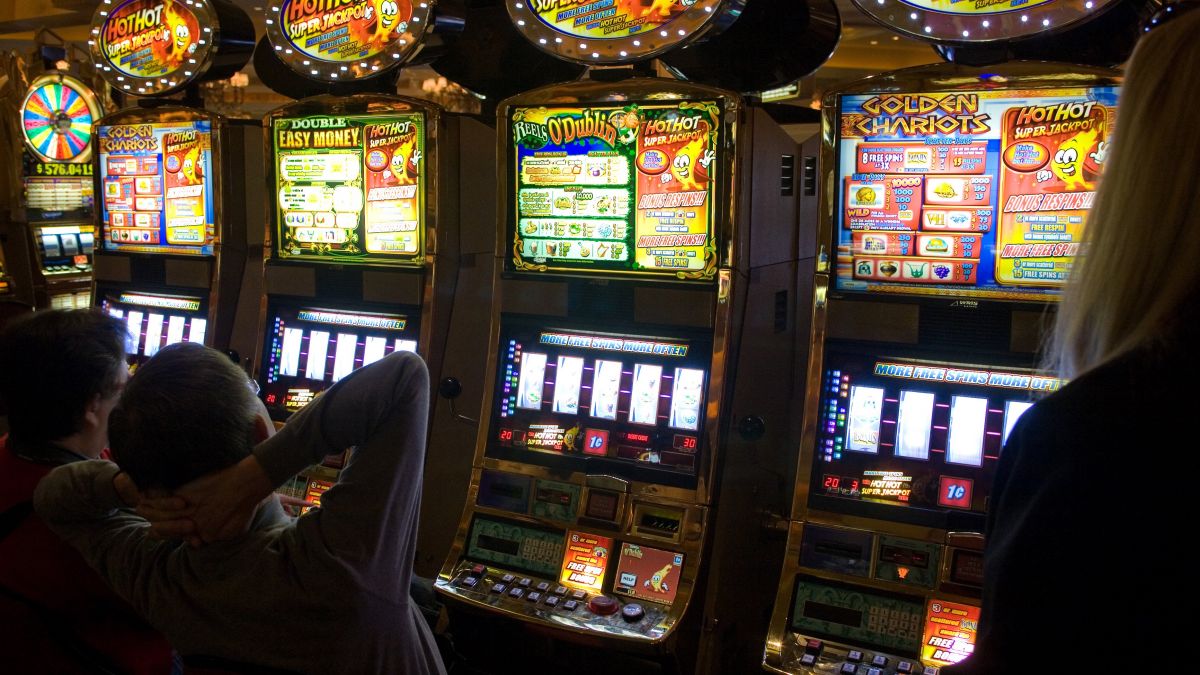
Furthermore, the casino environment amplifies these feelings. The vivid lights, sounds of spinning wheels, and cheers of winners create a stimulating atmosphere that feeds into players’ emotions. This sensory overload can lead to a disconnection from reality, allowing players to overlook the potential for loss. Instead of focusing on the odds and the risks associated with their bets, the immersive experience encourages participation, often leading players to take risks they might not otherwise consider in a more rational setting.
The interplay between risk and reward is a powerful psychological driver in casino gaming. Many individuals find that the possibility of winning, however slim, serves as a stronger motivator than the fear of losing. This phenomenon is enhanced by loss aversion, a principle suggesting that people typically prefer avoiding losses to acquiring equivalent gains. In gambling, this can lead to a paradox where players continue to engage in risky behavior in hopes of recovering losses, thus deepening their involvement with risk in pursuit of a perceived reward.
The Role of Cognitive Biases in Risk Assessment
Cognitive biases significantly influence how players assess risk in casino gaming. One prevalent bias is the gambler’s fallacy, the misconception that past random events can affect future outcomes in independent games. For instance, a player might believe that a slot machine is “due” for a payout after several unsuccessful attempts. This belief can distort their risk assessment, leading them to wager more than they would under a more rational evaluation of the situation, ultimately increasing their vulnerability to significant losses.
Another cognitive bias that impacts risk perception is the illusion of control. Many players feel they can influence the outcome of games, particularly in skill-based gambling activities. This sense of agency can amplify their willingness to take risks, as players convince themselves that their decisions can alter the odds in their favor. However, this misplaced confidence can result in a dangerous feedback loop, where players increase their stakes, believing they have the power to sway outcomes, only to experience further losses.
Additionally, confirmation bias can cause players to focus primarily on successful bets while ignoring losses. This selective attention reinforces their risk-taking behavior, as they vividly remember their wins and downplay their losses. The interaction of these cognitive biases creates an environment where players frequently misjudge their likelihood of success, encouraging them to engage in higher-risk gambling activities without a comprehensive understanding of the odds involved, which can lead to significant financial repercussions.
The Emotional Highs and Lows of Casino Gaming
The emotional landscape of casino gaming is rich and varied, characterized by peaks of joy and valleys of despair. The potential for a big win can trigger a rush of euphoria, often described as a “gambling high.” This sensation can be addictive, prompting players to chase that feeling through additional wagering. The anticipation that builds before a bet can create an exhilarating state of excitement that players may become hooked on, encouraging them to repeat the experience regardless of their previous outcomes, leading to a cycle of risk-taking.
However, this emotional volatility is not without its downsides. The lows associated with significant losses can evoke feelings of regret, shame, and anger. Such emotional distress may provoke players to gamble more in an attempt to recover their losses, a behavior known as “chasing losses.” This cycle can be financially and psychologically harmful, leading individuals to take on increased risks as they seek to escape negative emotions through further betting.
Interestingly, the social aspect of casino gaming further enriches the emotional experience. Players often form bonds with fellow gamblers, sharing in each other’s highs and lows. This communal environment can intensify the overall experience, making individuals feel understood and supported, even when facing losses. However, it can also lead to groupthink behaviors, where players collectively embrace risk-taking to maintain social connections, complicating their ability to accurately assess risk and make rational decisions regarding their gambling activities.
The Impact of Environment on Risk Behavior
The physical environment of a casino plays a crucial role in influencing risk behavior among players. Casinos are meticulously designed to be enticing and immersive, employing strategies like open layouts, engaging colors, and sensory stimuli to create an alluring atmosphere. This design encourages players to spend more time and money, often leading them to underestimate the risks they are taking. Elements such as the placement of machines and the layout of tables are carefully planned to promote a sense of comfort, which can result in increased risk-taking behaviors.
Moreover, the availability of complimentary services, such as free drinks and snacks, contributes to a more relaxed state of mind, further diminishing players’ assessments of risk. When players feel pampered and cared for, they may overlook their gambling limits and indulge in excessive betting. This environment fosters a unique psychological “bubble” where the typical constraints of budget and time become blurred, leading individuals to make riskier choices that they might avoid in a more sober context.
Additionally, the advent of technology has transformed the landscape of casino gaming. Online platforms and mobile apps enable players to gamble from the comfort of their homes, facilitating high-risk behavior without the social pressures of a physical casino. This convenience can lead to impulsive decisions, as players are less likely to critically evaluate their actions when they are not in a controlled setting. Consequently, the psychology of risk in gaming becomes increasingly complex, evolving with technological advancements and the various environments in which gambling occurs.
Understanding Risk Through Responsible Gaming Initiatives
As the understanding of risk in casino gaming evolves, so too do the strategies aimed at promoting responsible gaming. Casinos and gaming organizations increasingly recognize the importance of educating players about the risks involved in gambling. Responsible gaming initiatives often focus on transparency regarding odds and potential losses, striving to foster a more informed player base. By providing resources and tools, such as budgeting calculators and time management tips, these programs aim to mitigate the risks associated with gambling and promote healthier gaming habits.
Additionally, many casinos have implemented self-exclusion programs that allow players to set limits on their gambling activities. These initiatives empower individuals to take control of their gaming habits, thereby reducing the likelihood of engaging in harmful risk-taking behaviors. Counseling services are also widely available in many regions, offering support for those struggling with gambling addiction or problematic behavior, addressing both the emotional and psychological aspects of risk management effectively.
Ultimately, understanding the psychology of risk in casino gaming is crucial for both players and industry stakeholders. By acknowledging the underlying motivations and mental processes that drive risk-taking behavior, effective strategies can be developed to promote safer and more responsible gaming practices. As the gaming environment continues to evolve, ongoing research and innovation in responsible gaming will be essential in ensuring a balanced approach to risk within this thrilling industry. A comprehensive understanding of these dynamics is vital for fostering a sustainable gaming landscape that prioritizes player well-being.
